

Scar Revision
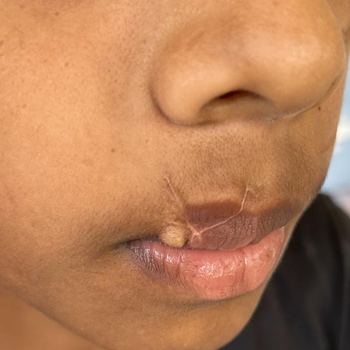
Scar revision is a surgical or non-surgical procedure aimed at improving the appearance of scars and restoring skin function by reducing scar visibility, texture irregularities, and tightness. This procedure is commonly sought for scars resulting from trauma, burns, surgery, or acne that cause aesthetic or functional concerns. Scar revision can range from minimally invasive treatments to more extensive surgical methods, depending on scar size, depth, and location.
Techniques for Scar Revision
- Topical Treatments: Creams, gels, or silicone sheets applied over the scar to hydrate and flatten the tissue. These are often recommended for minor scars and to support healing after other scar revision procedures.
- Injectable Treatments:
Steroid Injections: Used to soften and flatten raised scars, especially hypertrophic scars and keloids.
Fillers: Hyaluronic acid or other fillers are injected to raise sunken scars, particularly acne scars, and improve skin texture. - Laser Therapy: Laser resurfacing uses focused light energy to remove scarred layers of skin or stimulate collagen production in the deeper layers. Common laser types include fractional CO2 lasers and pulsed dye lasers, which help with texture improvement, pigmentation reduction, and scar flattening.
- Chemical Peels: Chemical solutions are applied to exfoliate and remove damaged outer skin layers, reducing the appearance of superficial scars, like mild acne scars, and evening out skin tone.
- Dermabrasion and Microdermabrasion: Mechanical exfoliation techniques that smooth the skin surface by removing scarred layers. Dermabrasion is deeper and more effective for prominent scars, while microdermabrasion is suitable for lighter scar revisions.
- Surgical Excision: The scar tissue is surgically removed and the wound carefully closed to create a less noticeable scar. This is especially effective for wide or long scars, and in some cases, the surgeon may use techniques like a Z-plasty or W-plasty to reorient scars along natural skin lines for a better appearance.
- Skin Grafting and Flap Surgery: In cases of extensive scarring (e.g., from burns), healthy skin from another body part may be grafted onto the affected area. Flap surgery moves skin with its own blood supply to cover larger or more complex scars.
- Radiation Therapy: Used in severe cases, especially for keloid scars, to prevent recurrence after surgical removal.
- Cryotherapy: Involves freezing scar tissue, particularly keloids, to reduce size and stiffness.
Goals and Benefits
The primary goals of scar revision are to minimize the scar’s visibility, restore skin texture, improve movement around the affected area, and enhance confidence. Each technique is tailored to the type, size, and location of the scar as well as patient preferences and skin type.