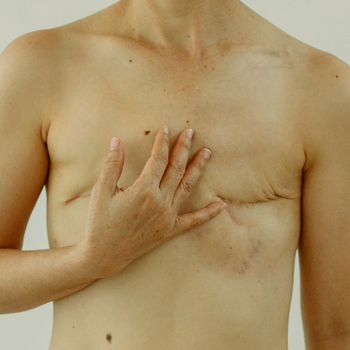


Post-Cancer Surgery Reconstruction
Post-cancer surgery reconstruction refers to the surgical procedures performed to rebuild or restore areas of the body that have been affected by cancer treatments such as surgery, radiation, or chemotherapy. After the removal of tumors or affected tissues, reconstruction aims to restore both function and appearance, addressing the emotional and psychological needs of patients who may experience body image changes. This type of surgery is commonly performed in cases of breast cancer, head and neck cancers, skin cancer, and other cancers that result in significant tissue loss.
Common Causes of Post-Traumatic Lower Limb Injuries
- Fractures: Broken bones in the hip, femur, tibia, fibula, or foot due to trauma, such as car accidents, falls, or sports injuries.
- Soft Tissue Injuries: Damage to muscles, tendons, and ligaments, often seen in sprains, strains, or tears.
- Dislocations: Displacement of bones at joints, such as the knee, ankle, or hip.
- Vascular and Nerve Injuries: Damage to blood vessels or nerves that can affect blood flow, sensation, and movement.
- Joint Injuries: Ligament tears or cartilage damage in the knee, ankle, or hip.
Postoperative Care and Rehabilitation
After post-traumatic lower limb surgery, effective rehabilitation and aftercare are critical for the recovery process. The following may be included:
- Pain Management: Patients are given pain relief medications and anti-inflammatory drugs to manage postoperative pain and swelling.
- Physical Therapy: Physical therapy often begins soon after surgery, focusing on regaining strength, mobility, and flexibility. Early weight-bearing may be encouraged for certain fractures, while others may require a period of immobilization.
- Wound Care: Proper care of surgical wounds to prevent infection and promote healing is essential. This may include regular dressing changes and monitoring for signs of infection.
- Follow-up Appointments: Regular checkups are needed to ensure proper healing, assess function, and monitor for complications such as infection, hardware failure, or delayed healing.
- Mobility Aids: Crutches, walkers, or wheelchairs may be needed initially to assist with mobility and reduce pressure on the operated limb.
Potential Risks and Complications
- Infection: A common risk of surgery, particularly in open fractures or surgeries involving implants.
- Blood Clots (Deep Vein Thrombosis): Post-surgery patients may be at higher risk for blood clots, so anticoagulant medications may be prescribed, and leg exercises may be encouraged.
- Non-Union or Malunion: Fractures may fail to heal correctly or at all, requiring additional surgery or interventions.
- Hardware Complications: Plates, screws, or rods used for fixation may fail, shift, or become infected.
- Nerve or Vascular Damage: Although rare, there is a risk of nerve injury or impaired blood flow, which may affect recovery.